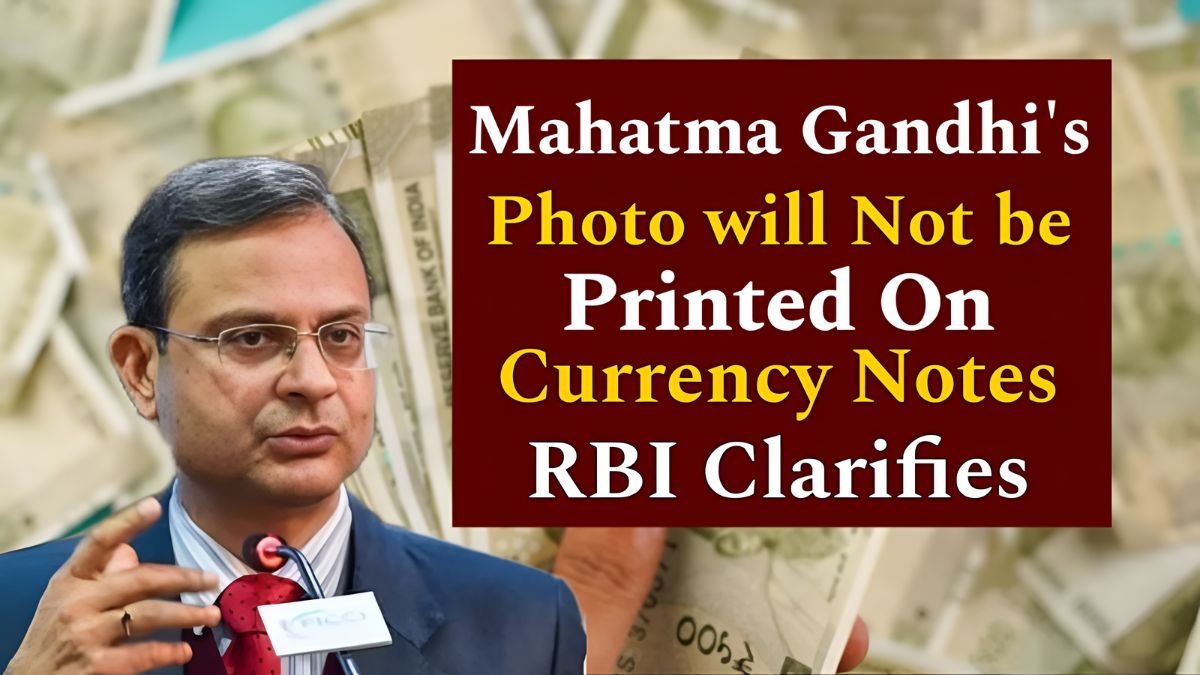
The Reserve Bank of India has officially addressed widespread rumors circulating on social media regarding potential changes to Indian currency design. Recent speculation suggested that Mahatma Gandhi’s portrait would be removed from Indian banknotes, prompting the central bank to issue a definitive clarification. This development has put an end to mounting concerns about alterations to India’s iconic currency symbols.
Social media platforms have been buzzing with unverified claims about currency design modifications. However, the RBI’s official statement provides clarity on the matter, ensuring that citizens have accurate information about their national currency.
RBI Puts an End to Speculation About Currency Design Changes
Each country maintains its distinctive monetary system, and throughout all Indian banknote denominations ranging from 5 to 500 rupees, Mahatma Gandhi’s portrait has served as a fundamental element symbolizing the Father of the Nation. Current social media conversations have generated extensive conjecture suggesting that Gandhi’s photograph would be eliminated from Indian banknotes.
The Reserve Bank of India has come forward to tackle these matters and clarify the situation. This official intervention was necessary to prevent further spread of misinformation that could potentially cause confusion among the public.
Furthermore, the central bank emphasized its commitment to maintaining the integrity and symbolic significance of Indian currency notes. The continuation of Gandhi’s image represents India’s respect for its founding principles and national identity.
Official Statement by RBI
The Reserve Bank of India issued a comprehensive statement addressing the circulating rumors. The central bank categorically denied any plans to remove Mahatma Gandhi’s photograph from Indian currency notes.
Moreover, RBI officials stressed that any significant changes to currency design would be announced through official channels. The bank cautioned citizens against believing unverified information spread through social media platforms.
Additionally, the statement reinforced that Gandhi’s image remains an integral part of India’s monetary identity. Therefore, citizens can continue to expect the familiar design elements on their banknotes.
What Occurred to Spread Rumours?
The rumors apparently originated from misinterpreted information circulating on various social media platforms. Several factors contributed to the rapid spread of this misinformation across digital networks.
However, the lack of official verification allowed these unfounded claims to gain momentum. Consequently, many citizens began questioning the authenticity of future currency designs.
The incident highlights the importance of verifying information through official sources before accepting or sharing news about government policies. Nevertheless, the RBI’s prompt response helped contain the spread of false information.
Why is there no image on the digital rupee?
The digital rupee operates on entirely different principles compared to physical currency notes. Digital currencies focus on security features and technological functionality rather than traditional design elements.
Additionally, digital payment systems prioritize encryption and blockchain technology over visual representations. Therefore, the absence of Gandhi’s image on digital rupees does not indicate any policy change regarding physical currency.
Furthermore, digital and physical currencies serve different purposes in the modern financial ecosystem. The design considerations for each format reflect their specific usage requirements and technological capabilities.
History: When did Gandhiji’s visage appear on the notes?
Mahatma Gandhi’s portrait was first introduced on Indian currency notes in 1996 as part of the Mahatma Gandhi Series. This significant change replaced the previous Lion Capital series that had been in circulation.
The decision to feature Gandhi’s image was made to honor the Father of the Nation and reinforce India’s cultural values. Moreover, this change aligned with the country’s desire to showcase its independence struggle leader on its most visible national symbol.
Since then, Gandhi’s portrait has appeared on various denominations, becoming an iconic feature of Indian currency. The image serves as a constant reminder of India’s journey to independence and its foundational principles.
Conclusion
The Reserve Bank of India’s clarification effectively dispels rumors about removing Mahatma Gandhi’s photograph from Indian currency notes. Citizens can rest assured that the iconic design elements of their banknotes will remain unchanged.
This incident underscores the importance of relying on official sources for information about government policies. Additionally, it demonstrates the RBI’s commitment to maintaining transparency and addressing public concerns promptly.
Therefore, Mahatma Gandhi’s portrait will continue to grace Indian banknotes, preserving the nation’s monetary heritage and symbolic representation of its values.
Frequently Asked Questions
Will Mahatma Gandhi’s photo be removed from Indian currency notes?
No, the Reserve Bank of India has officially clarified that there are no plans to remove Mahatma Gandhi’s photograph from Indian currency notes. The portrait will continue to appear on banknotes as it has since 1996.
When was Gandhi’s image first introduced on Indian currency?
Mahatma Gandhi’s portrait was first introduced on Indian currency notes in 1996 as part of the Mahatma Gandhi Series. This replaced the previous Lion Capital series that had been in circulation.
Why doesn’t the digital rupee feature Gandhi’s image?
Digital currencies operate on different principles than physical notes, focusing on technological functionality and security features rather than traditional design elements. The absence of Gandhi’s image on digital rupees doesn’t indicate any policy change for physical currency.
How did rumors about currency design changes start?
The rumors originated from misinterpreted information circulating on social media platforms. The lack of official verification allowed these unfounded claims to gain momentum before RBI issued its clarification.
Where should people verify information about currency changes?
Citizens should always verify information about currency and monetary policies through official RBI channels and government announcements. Social media should not be considered a reliable source for such important information.
